
Natural Attractions in Ethiopia
Ethiopia is blessed with extraordinary natural beauty. The country features a remarkable diversity of landscapes, from towering mountains and deep valleys to vast lakes, dramatic escarpments, and unique wildlife habitats. With its numerous natural wonders, Ethiopia offers unforgettable experiences for travelers seeking adventure, scenery, and wildlife.
Danakil Depression
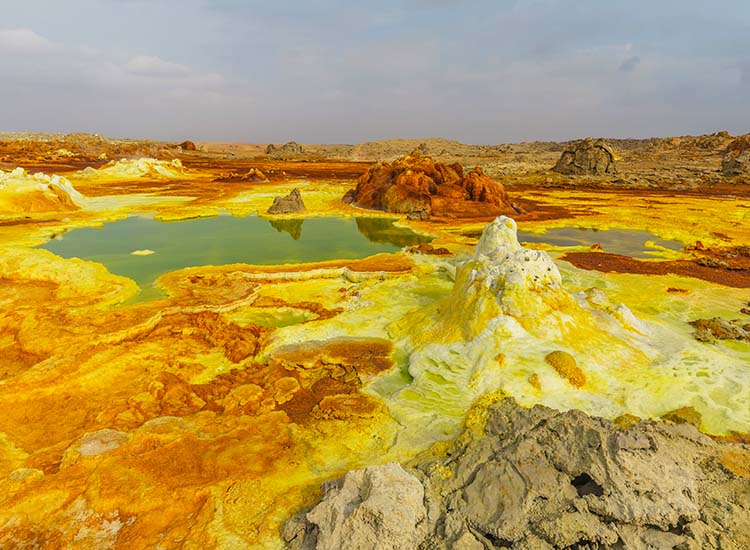
The Danakil Depression is not for the faint of heart. Located at the northeastern edge of the Great Rift Valley in Ethiopia’s Afar Region, this harsh desert environment is one of the most extreme landscapes on Earth.
The area features colorful sulfur springs, salt flats, volcanic formations, and the famous Erta Ale lava lake. The intense geothermal activity creates a striking landscape of vibrant yellows, greens, blues, and reds.
The Danakil Depression lies below sea level and is one of the hottest places on Earth. The best time to visit is between November and early January when temperatures are slightly cooler. Guided tours are organized to explore this remote and fascinating destination.
Erta Ale Volcano
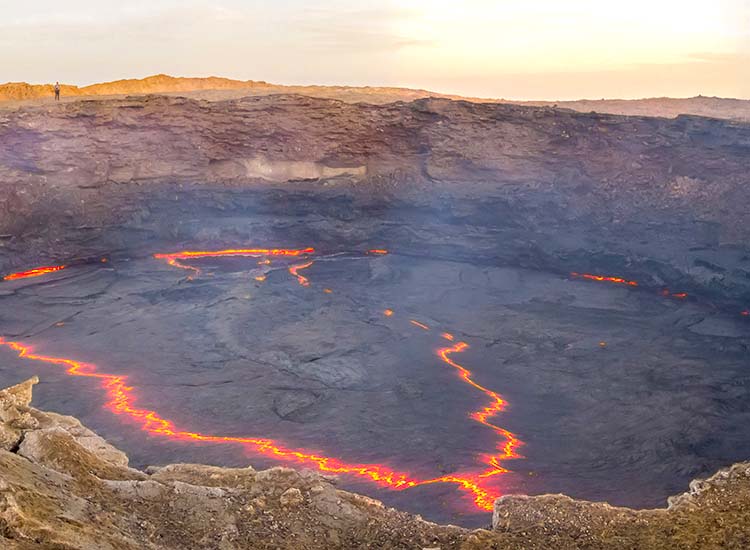
Erta Ale is an active shield volcano located in the Danakil Depression. It is famous for its persistent lava lake, which has been active for decades.
The volcano rises about 613 meters above sea level and features a large caldera containing several craters and lava flows.
Erta Ale is one of the most popular destinations in the Danakil region for adventurous travelers.
Blue Nile Falls
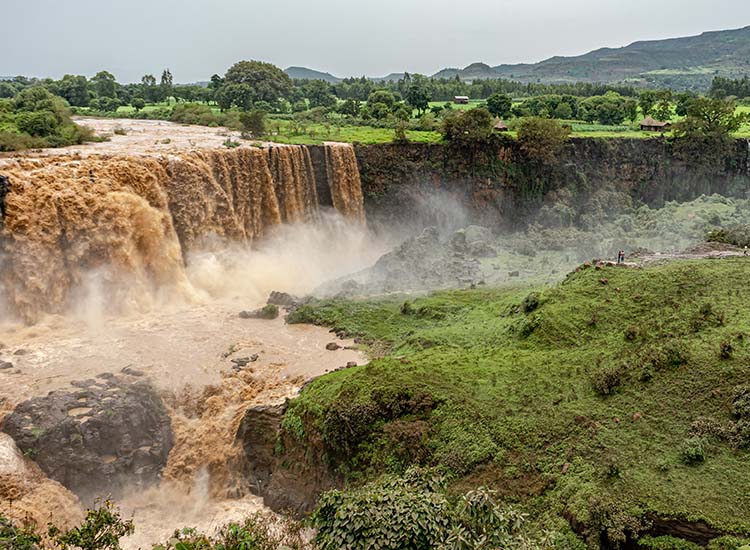
The Blue Nile Falls, locally known as Tis Issat, meaning “Water that Smokes,” is one of Ethiopia’s most impressive natural attractions.
Located about 30 km from Bahir Dar, the falls are formed by the Blue Nile River as it flows from Lake Tana. During the rainy season, the waterfall can reach up to 400 meters wide, creating a spectacular curtain of cascading water and mist that resembles smoke rising from the ground.
Visitors can reach the falls by vehicle and continue on foot to viewing points. A short but steep hike leads to the best viewpoints.
Lake Tana
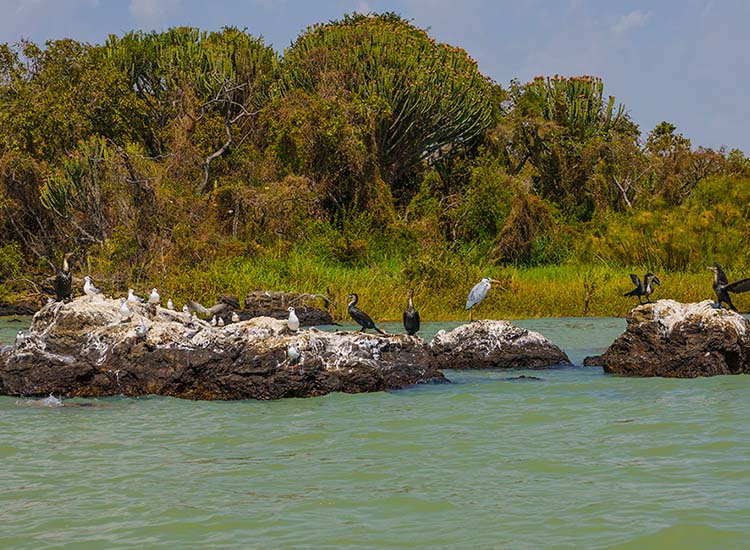
Lake Tana, located in the northwestern Ethiopian Highlands, is the largest lake in Ethiopia and the source of the Blue Nile River.
The lake is known for its rich biodiversity and numerous historic island monasteries. Many of these monasteries preserve centuries-old manuscripts, religious artifacts, and wall paintings.
Visitors can explore the lake by boat and visit the historic monasteries scattered across its islands and shores.
Sof Omar Cave
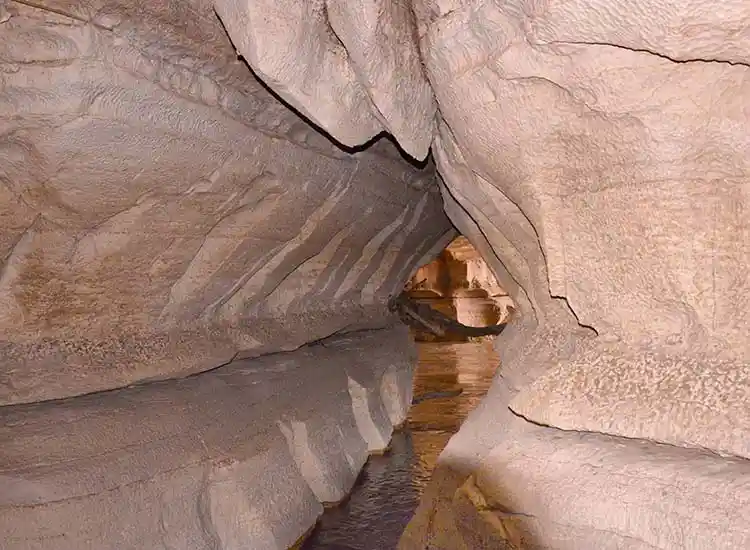
Sof Omar Cave is one of Ethiopia’s most impressive underground natural wonders.
Located in southeastern Ethiopia in the Bale Zone of Oromia Region, the cave system stretches for many kilometers and features towering chambers, natural arches, and winding passages.
The Web River flows through the cave, adding to the dramatic scenery. Visitors usually explore the cave with a guide. The best time to visit is outside the rainy months when flooding can occur.
Simien Mountains
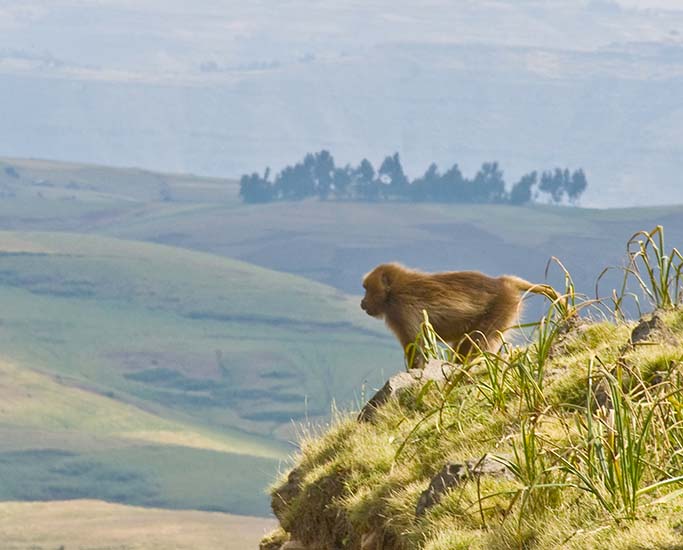
The Simien Mountains are among Ethiopia’s most spectacular natural landscapes. Located northeast of Gondar, the range features dramatic cliffs, deep valleys, and high peaks rising above 3,600 meters.
The region is home to unique wildlife such as the Gelada baboon, Walia ibex, and Ethiopian wolf.
The best time to visit is between September and November, when the landscape is lush following the rainy season.
Bale Mountains
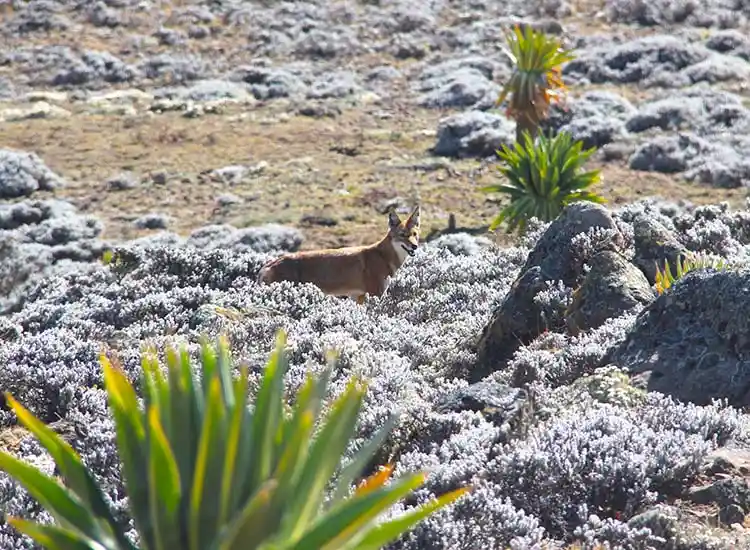
Located in southeastern Ethiopia, Bale Mountains National Park is one of the most diverse natural areas in Africa.
The landscape ranges from alpine peaks and glacial lakes to forests and grasslands. The park is home to several endemic species, including the Mountain Nyala and the Ethiopian wolf.
Visitors can explore the park through guided trekking, wildlife observation, or horseback riding. The best time to visit is from November to March, although nights can be very cold at higher elevations.
Gheralta Mountains
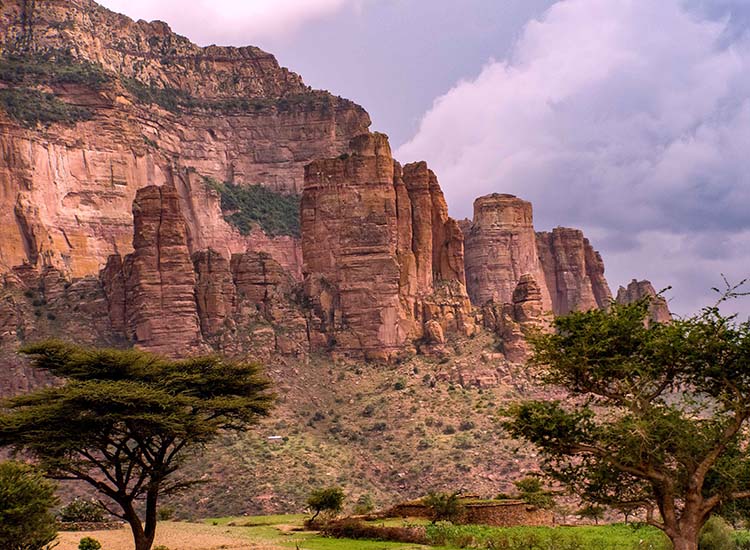
The Gheralta Mountains in northern Ethiopia are known for their dramatic sandstone cliffs and ancient rock-hewn churches.
The region contains more than 30 cliff churches, many of which are accessible only by climbing steep rock faces. These churches contain some of the most colorful and well-preserved religious paintings in Ethiopia.
Rift Valley
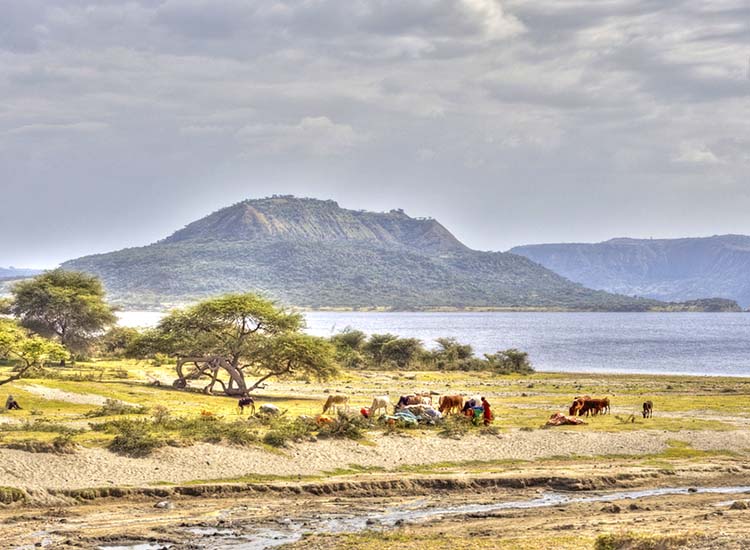
The Ethiopian Rift Valley forms part of the Great East African Rift system. It stretches across the country from the Afar region toward the southwest and features numerous lakes, hot springs, and wildlife habitats.
The valley contains several lakes, each with unique characteristics and ecosystems. Many of them are popular for swimming, bird watching, boating, and other recreational activities.
Lower Valley of Awash
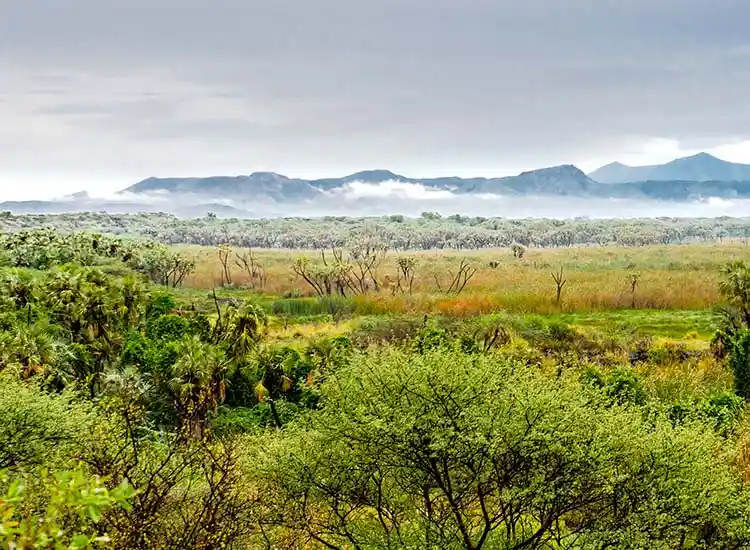
The Lower Valley of Awash is one of the most important paleoanthropological sites in the world. Located in the northeastern part of Ethiopia’s Great Rift Valley near the border with Djibouti, the area contains fossil remains dating back more than four million years.
This region is famous for the discovery of “Lucy,” a nearly complete skeleton of Australopithecus afarensis, an early human ancestor.
In addition to its archaeological importance, the area also offers opportunities to observe wildlife such as hyenas and various bird species.