
UNESCO World Heritage Sites in Ethiopia
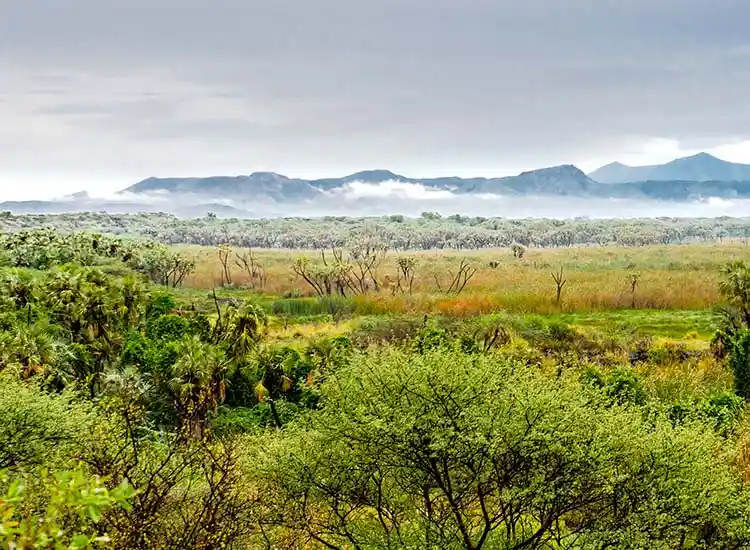
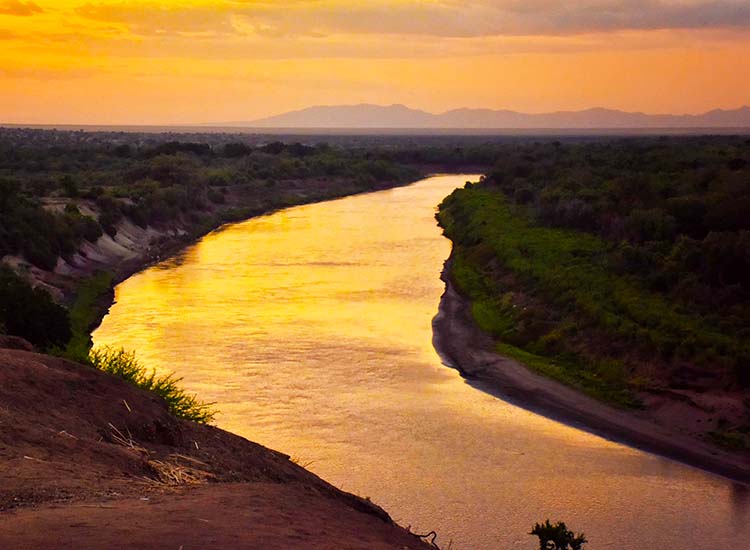
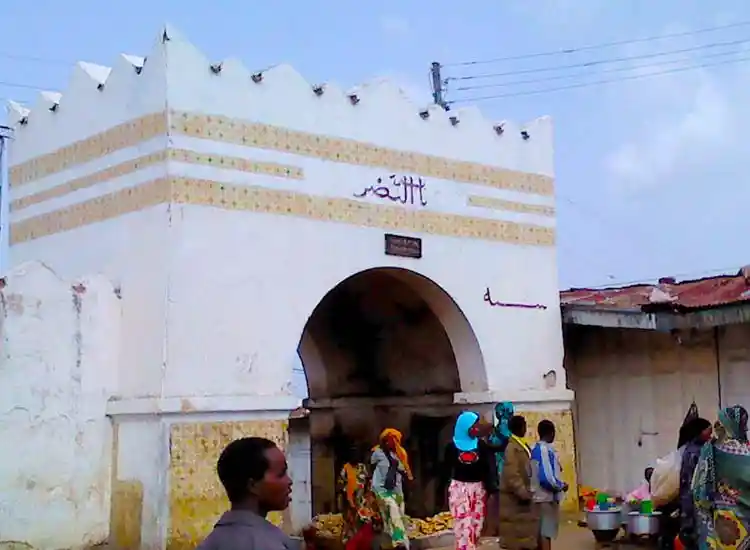
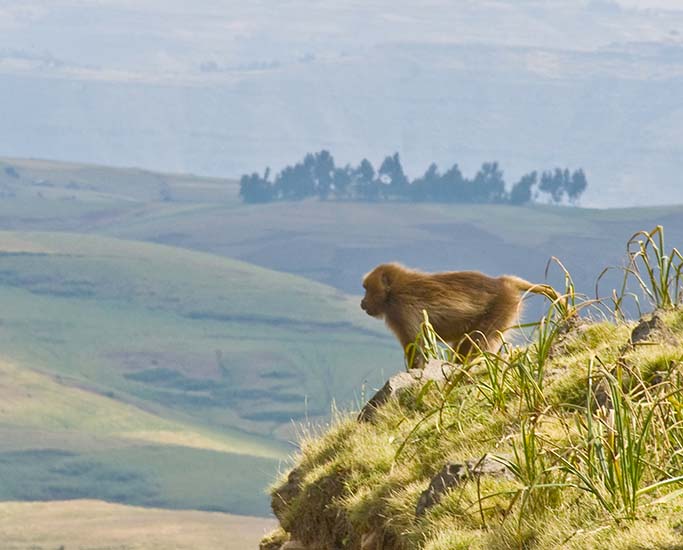
Today, Ethiopia has 12 UNESCO World Heritage Sites, representing both cultural heritage and natural wonders.
Cultural World Heritage Sites
1. Akum
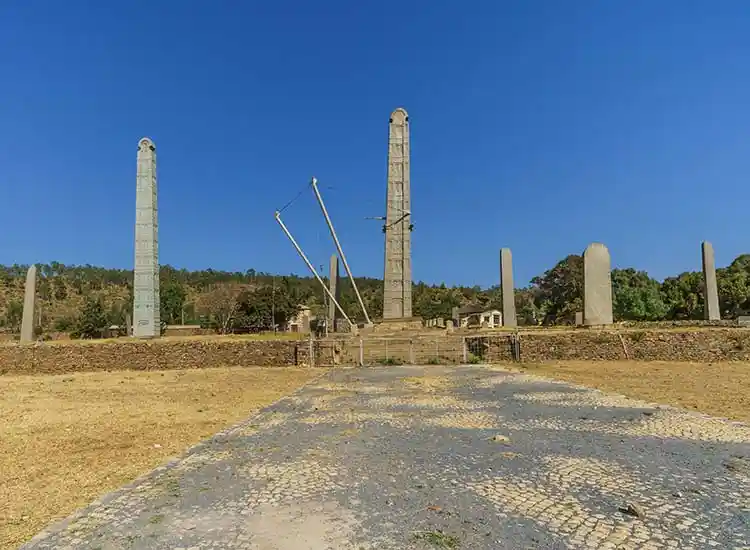
The ancient city of Aksum was the center of the powerful Aksumite Empire, which flourished between the 1st and 7th centuries AD. The site is famous for its monumental stelae (obelisks), royal tombs, and archaeological remains. Aksum is also traditionally believed to be the resting place of the Ark of the Covenant.
2. Rock-Hewn Churches of Lalibela
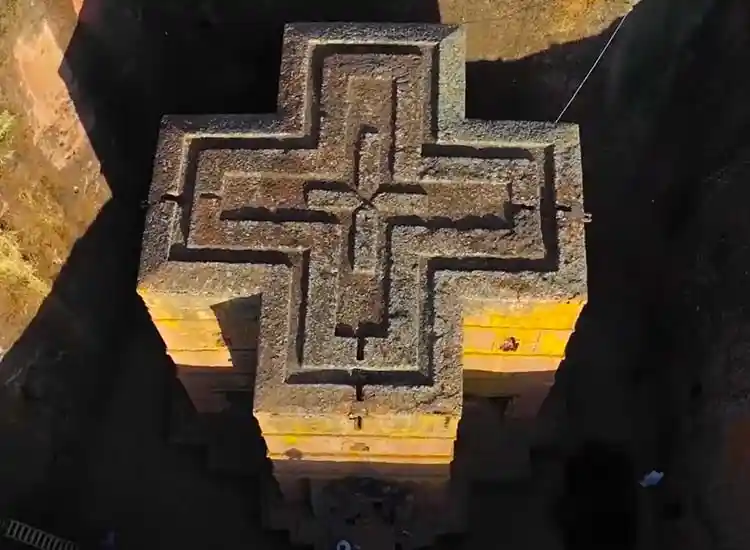
These extraordinary churches were carved directly into solid rock during the 12th and 13th centuries under the rule of King Lalibela. The complex contains 11 monolithic churches, connected by tunnels and passages, and remains an important pilgrimage site for Ethiopian Orthodox Christians.
3. Fasil Ghebbi (Gondar Region)
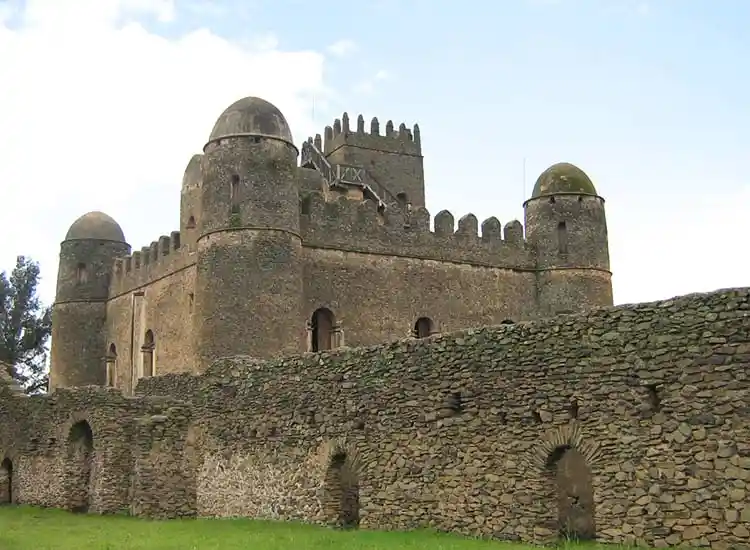
Located in Gondar, Fasil Ghebbi is a royal fortress complex built in the 17th century by Emperor Fasilides. The enclosure contains castles, palaces, churches, and monasteries reflecting a unique architectural style influenced by Ethiopian, Portuguese, and Indian traditions.
4. Tiya
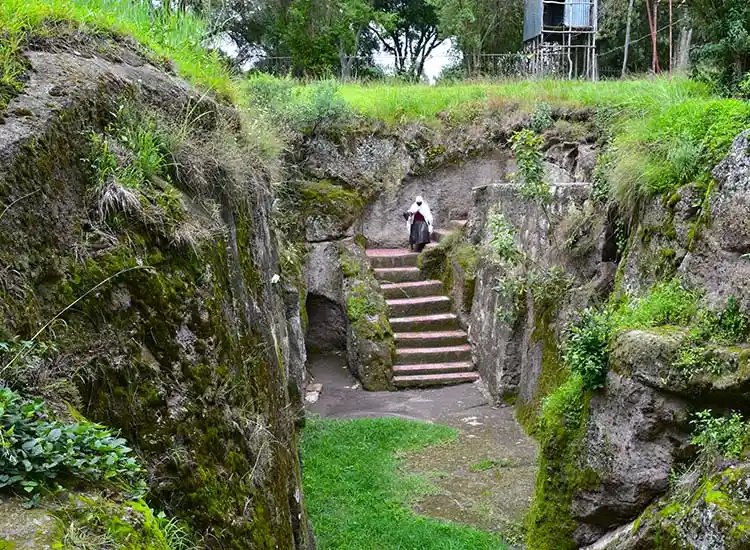
Tiya is an archaeological site known for its mysterious carved stone stelae. These monuments mark ancient burial sites and are decorated with symbolic engravings whose meanings are still not fully understood.
5. Lower Valley of the Awash
This important archaeological site is where the famous early human fossil “Lucy” (Australopithecus afarensis) was discovered in 1974. The valley contains fossils dating back more than three million years and provides crucial evidence about human evolution.
6. Lower Valley of the Omo
The Lower Omo Valley has yielded some of the oldest known human fossils, making it one of the most significant paleoanthropological sites in the world. The region is also home to many indigenous communities with rich cultural traditions.
7. Harar Jugol, the Fortified Historic Town
Harar Jugol is a historic walled city in eastern Ethiopia that has been an important center of Islamic culture for centuries. The city contains over 80 mosques, traditional Harari houses, and narrow alleyways within its ancient defensive walls.
8. Konso Cultural Landscape
The Konso Cultural Landscape is famous for its extensive terraced farming system built over hundreds of years. The landscape includes fortified villages and carved wooden statues called waga, which commemorate important members of the community.
9. Gedeo Cultural Landscape
This cultural landscape in southern Ethiopia demonstrates a unique and sustainable agroforestry system. The Gedeo people cultivate coffee and other crops under dense tree cover, creating a long-standing agricultural system that preserves biodiversity.
Natural World Heritage Sites
10. Simien Mountains National Park
Simien Mountains National Park features spectacular mountain scenery with deep valleys, dramatic cliffs, and high peaks including Ras Dashen, Ethiopia’s highest mountain. The park is home to rare wildlife such as the Walia ibex, Gelada baboon, and Ethiopian wolf.
11. Bale Mountains National Park
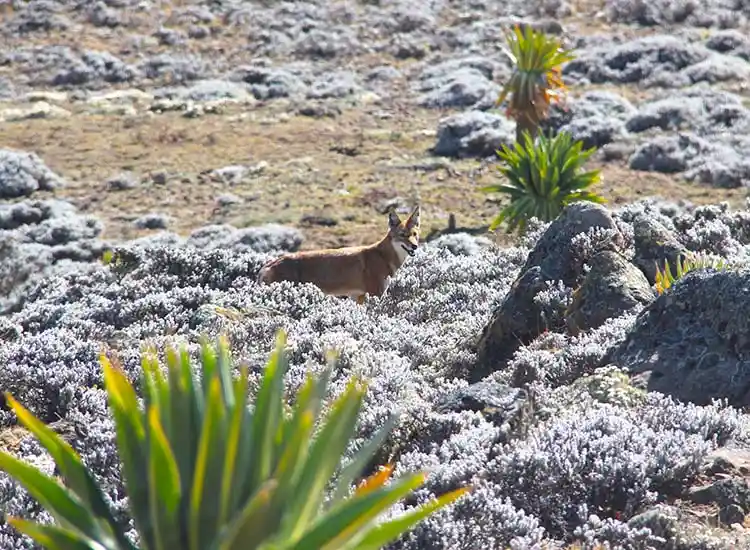
Located in southeastern Ethiopia, Bale Mountains National Park protects one of Africa’s most important ecosystems. The park contains Afro-alpine landscapes and forests that are home to several endemic species, including the Ethiopian wolf and the Mountain Nyala.
12. Melka Kunture and Balchit Archaeological and Paleontological Site
One of Ethiopia’s newest UNESCO listings, Melka Kunture is an important archaeological site in the Ethiopian highlands. It preserves evidence of early human activity, including stone tools and fossils dating back nearly two million years.