
Cultural Attractions of Ethiopia
Omo Valley
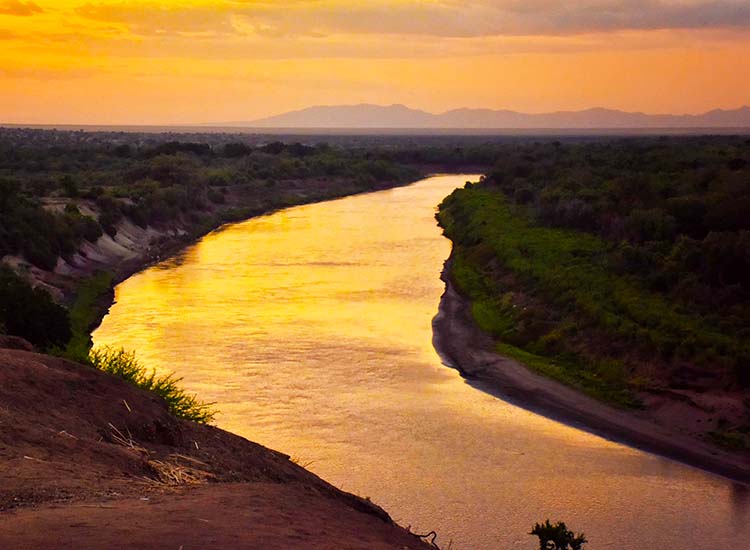
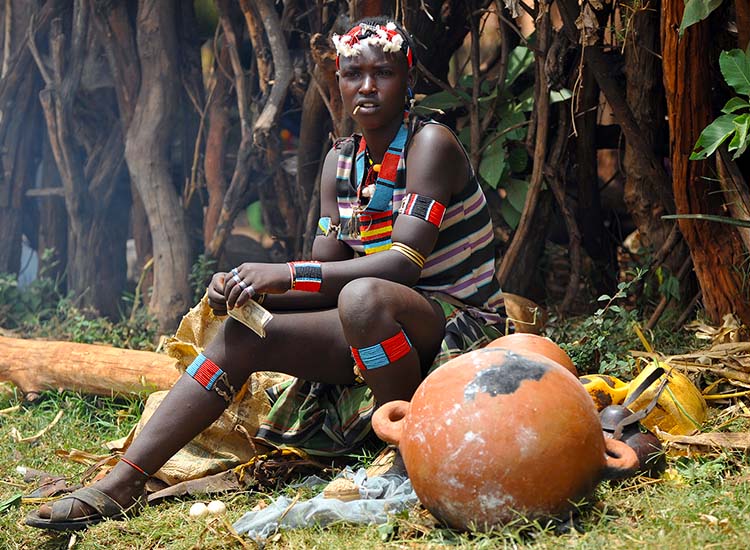
The Omo Valley is one of the most culturally diverse regions in Africa. Located in southwestern Ethiopia, the valley is home to many ethnic groups with unique traditions and lifestyles.
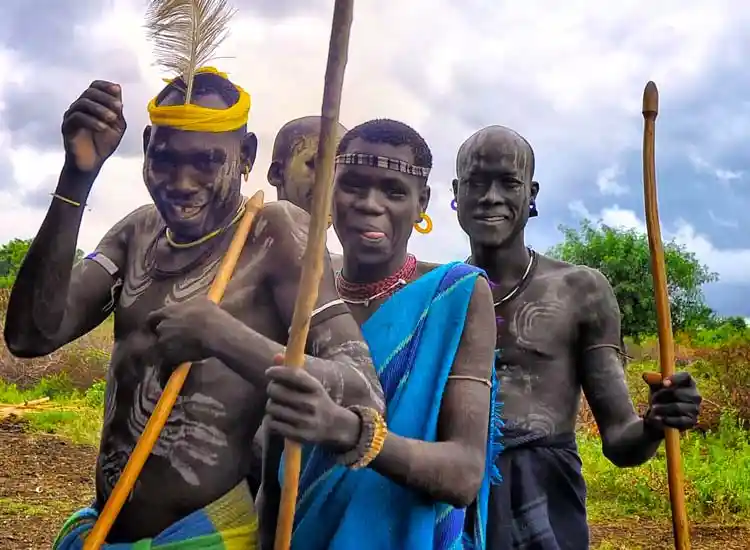
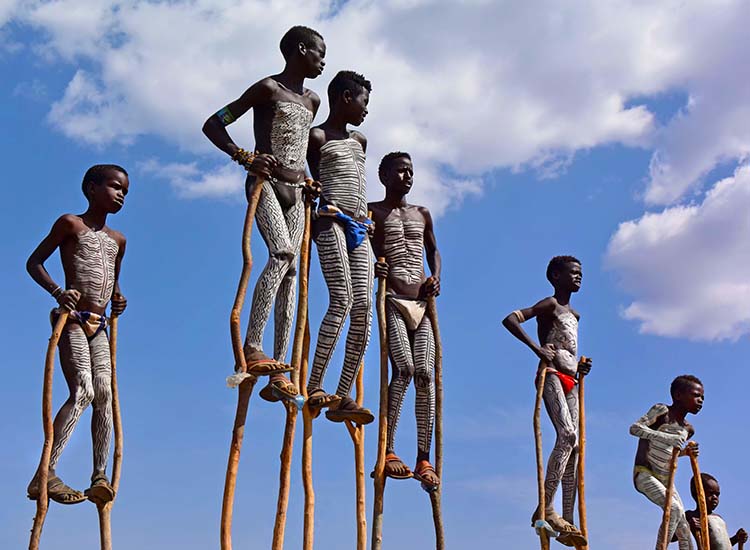
Visitors can observe traditional ceremonies, body painting, and cultural practices that have been preserved for generations.
Responsible tourism in the region emphasizes respectful interactions and cultural sensitivity.
Mursi Tribe
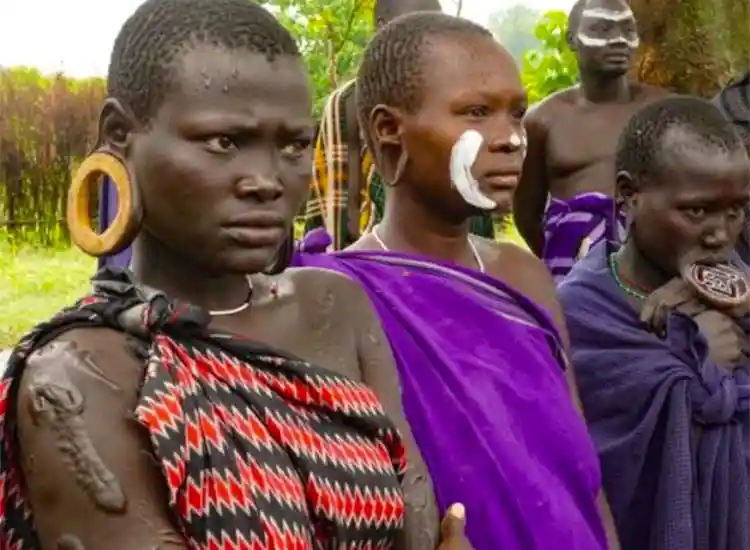
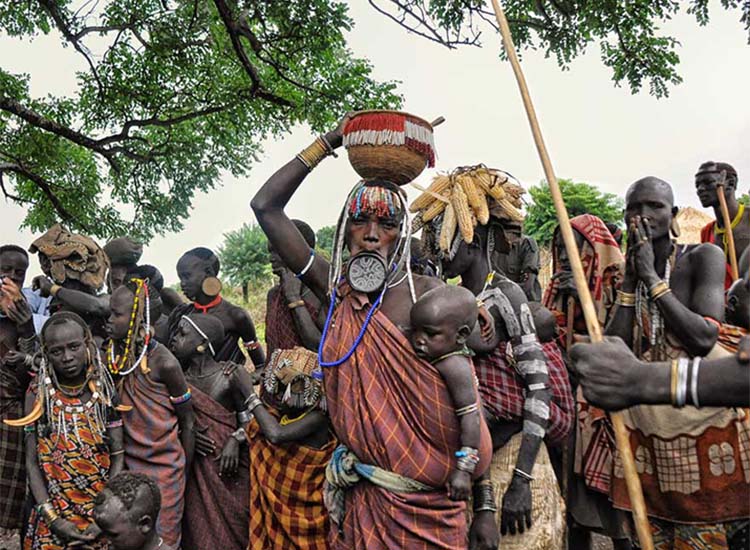
The Mursi people are known for their distinctive lip plate tradition practiced by women.
Before marriage, the lower lip is pierced and gradually stretched to hold increasingly larger clay plates. The size of the plate traditionally symbolizes social status and bride wealth.
The Mursi live in remote areas near the Omo River and primarily rely on pastoralism.
Konso Village
Konso is famous for its terraced agriculture, stone-walled villages, and wooden memorial statues known as waga.
Recognized for its cultural significance, the Konso Cultural Landscape became a UNESCO World Heritage Site in 2011.
Karo People
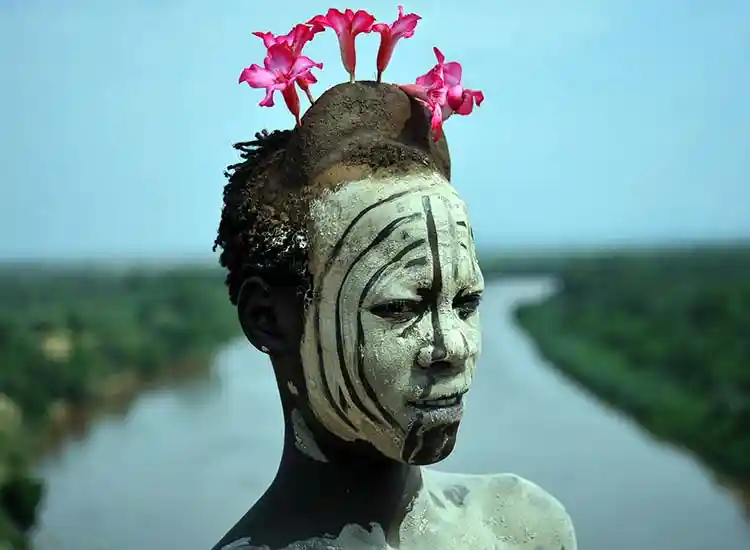
The Karo people live along the banks of the Omo River and are renowned for their intricate body painting.
Using natural pigments such as white chalk, charcoal, and red ochre, both men and women decorate their bodies for ceremonies and celebrations.
Dorze People
The Dorze people live near Chencha and Arba Minch in southern Ethiopia.
They are known for their distinctive bamboo houses, traditional weaving skills, and unique polyphonic singing traditions.
Dassanech People
The Dassanech people live near the northern shores of Lake Turkana, close to Ethiopia’s borders with Kenya and South Sudan.
They are pastoralists who rely mainly on cattle herding and fishing.
Tsemai People
The Tsemai people live along the Weito River in southern Ethiopia.
They practice mixed farming, raising crops such as sorghum and maize while also keeping livestock and producing honey.