
Historical Attractions of Ethiopia
Lalibela
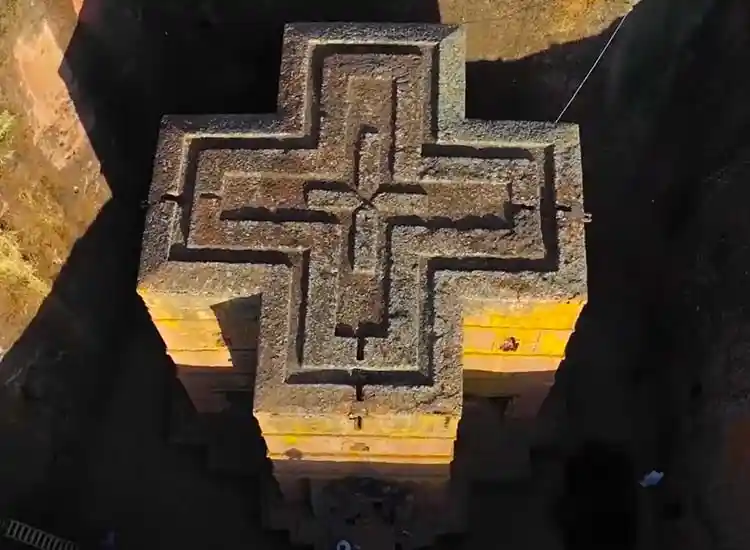
There is something intensely wonderful and spiritual about Lalibela, a truly remarkable town located in the northern region of Ethiopia. This small town is a UNESCO World Heritage Site, acclaimed for its rock-hewn churches, stunning rural landscape, and deeply rooted Christian traditions.
If faith is a mystery, there are few places in the Christian world where that mystery is deeper than in Lalibela. King Lalibela is believed to have ordered the construction of 11 extraordinary churches at the end of the 11th century and the beginning of the 12th century. Each church was carved from a single massive block of stone — with no bricks, mortar, concrete, or wood — only rock sculpted into magnificent architecture.
Not much is known about exactly who built them or how such incredible work was accomplished. However, according to the faithful of the Ethiopian Orthodox Church, there is no mystery at all. The churches of Lalibela, they say, were built with the help of angels.
Gondar
Gondar served as Ethiopia’s capital between 1632 and 1855 and remains one of the country’s richest regions in terms of history, culture, and natural beauty.
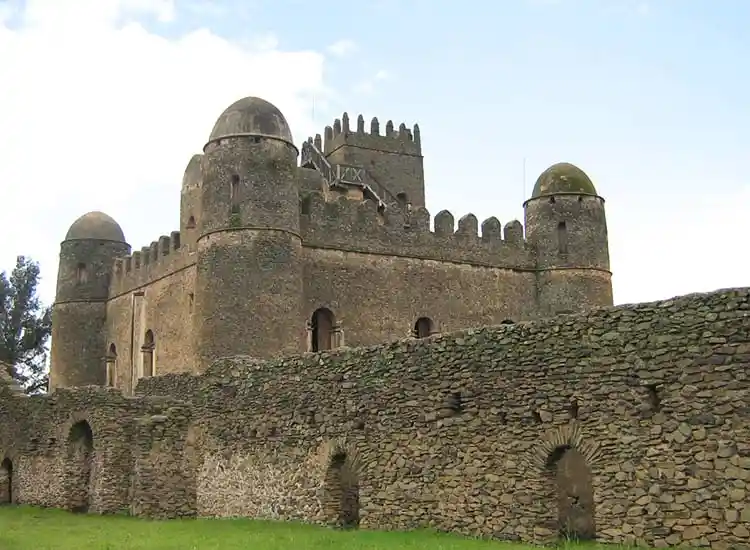
Often referred to as the “Camelot of Africa,” Gondar is famous for its medieval castles and royal compounds. The city’s main attraction is Fasil Ghebbi (the Royal Enclosure), a UNESCO World Heritage Site that contains several well-preserved castles and palaces of Ethiopian emperors.
Nearby, the historic Fasilides Bath is another important site and plays a central role during the annual Timkat (Epiphany) festival. The church of Debre Birhan Selassie is also renowned for its beautiful interior paintings, including the famous ceiling covered with rows of angel faces.
Gondar also serves as the gateway to Simien Mountains National Park and is one of the best places to experience the colorful Timkat festival, which takes place every January.
Axum
Aksum (also spelled Axum) stands at the epicenter of Ethiopian history. In ancient times, it was the economic hub of the Aksumite Empire, which flourished for nearly nine hundred years from the 2nd to the 10th centuries.
According to legend, the ruling dynasty of Aksum descended from King Solomon and the Queen of Sheba. The city is also considered the cradle and spiritual home of the Ethiopian Orthodox Church, which was established here during the reign of King Ezana in the 4th century.
Ethiopian tradition also holds that the original Ark of the Covenant is kept in the Church of St. Mary of Zion in Aksum.
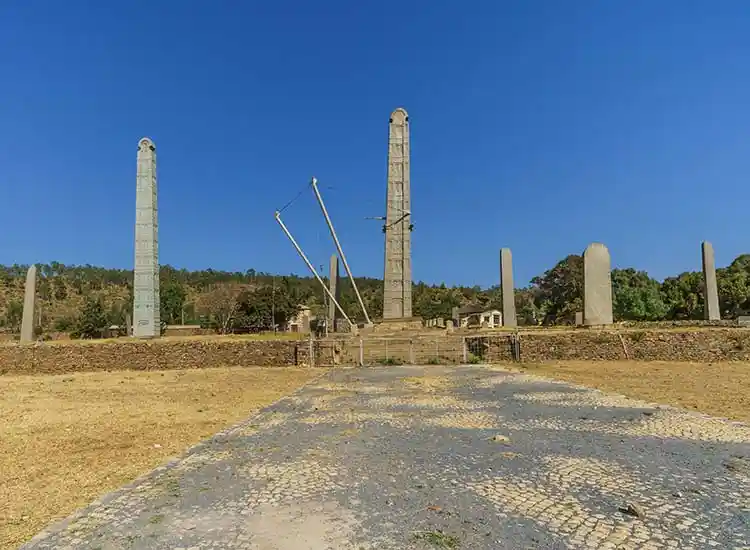
The city is filled with remarkable antiquities, including some of the tallest stelae (obelisks) ever erected in the ancient world, as well as engraved inscriptions and artifacts dating back thousands of years.
Yeha Temple
Ethiopia’s earliest known capital, Yeha, lies less than two hours’ drive from Axum through dramatic highland scenery.
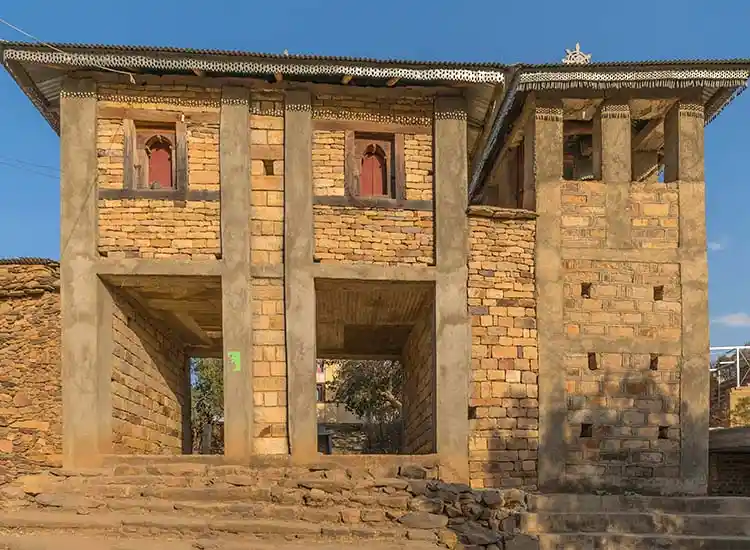
The ruins of the great Temple of Yeha, built around the 5th century BC, are among the oldest standing structures in Ethiopia. The temple consists of a large rectangular chamber measuring about 20 meters long and 15 meters wide.
Its 10-meter-high walls were constructed from huge blocks of smoothly polished stone, some more than three meters long, carefully placed without the use of mortar. The precision of the construction has allowed the structure to survive for more than 2,500 years.

Bahir Dar, Tis Issat (Blue Nile Falls), Lake Tana and the Island Monasteries
Bahir Dar lies on the southern shores of Lake Tana, Ethiopia’s largest lake and the source of the Blue Nile River. The town serves as a center for boat excursions to the lake’s famous island monasteries and to the spectacular Blue Nile Falls.
Lake Tana contains 31 islands, many of which are home to ancient churches and monasteries. Among the most notable are Kibran Gabriel, Ura Kidane Mihret, Azwa Mariam, Dega Estifanos, Tana Cherkos, and Narga Selassie.
A boat cruise on Lake Tana offers visitors a peaceful and scenic experience while exploring these historic religious sites.
About 32 km from Bahir Dar lies the famous Blue Nile Falls, known locally as Tis Issat, meaning “Water that Smokes.” The waterfall plunges about 45 meters and can reach up to 400 meters in width during the rainy season, creating a dramatic mist that resembles rising smoke.
Rock-Hewn Churches of Tigray
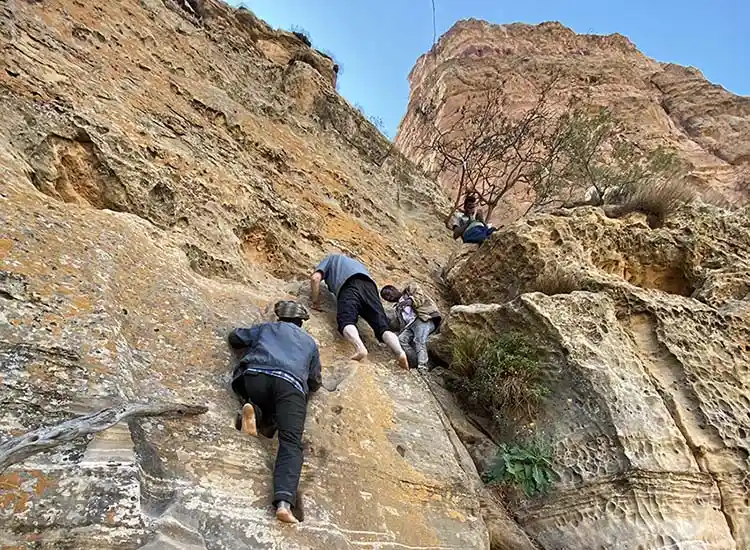
The rock-hewn churches of Tigray are among Ethiopia’s most extraordinary but least known historical treasures. Many of these churches are carved into steep cliff faces and remote mountainsides.
Until the 1960s, these remarkable structures were largely unknown outside the region. British academic Ivy Pearce described them as “one of the greatest historical and cultural heritages of the Ethiopian people.”
Unlike the churches of Lalibela, which were carved downward into the rock, many Tigray churches were excavated directly into vertical cliff faces or natural rock outcrops.
These churches date from as early as the 4th century AD, during the reign of the Aksumite kings who introduced Christianity to Ethiopia, and many continued to be built until the 15th century.
Many remain active places of worship today and contain ancient murals, manuscripts, and sacred artifacts.
Harar Jugol
Harar was established by Sultan Abu Beker Mohammed in 1520. Known as the holy city of Ethiopia’s Muslim community, Harar is believed to be the fourth holiest city in Islam after Mecca, Medina, and Jerusalem.
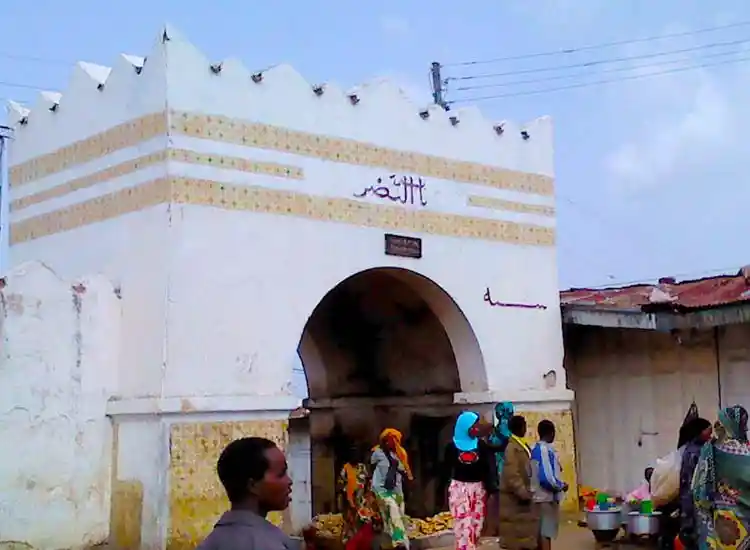
The Old City Wall of Harar (Jugol) is the main attraction and a symbol of Islamic architecture in the region. Harar contains approximately 90 mosques, forming one of the highest concentrations of mosques anywhere in the world.
In the past, non-Muslims were forbidden from entering the old city, but today visitors are welcome to explore its narrow alleyways, unique homes, colorful markets, and numerous mosques.
Every night just outside the city walls, hyenas gather to be fed by a brave Harari man. While tourists often watch or even participate in the feeding, the tradition originates from an old belief that caring for the hyenas would bring peace and prosperity to the city.
Ne’akuto Le’ab
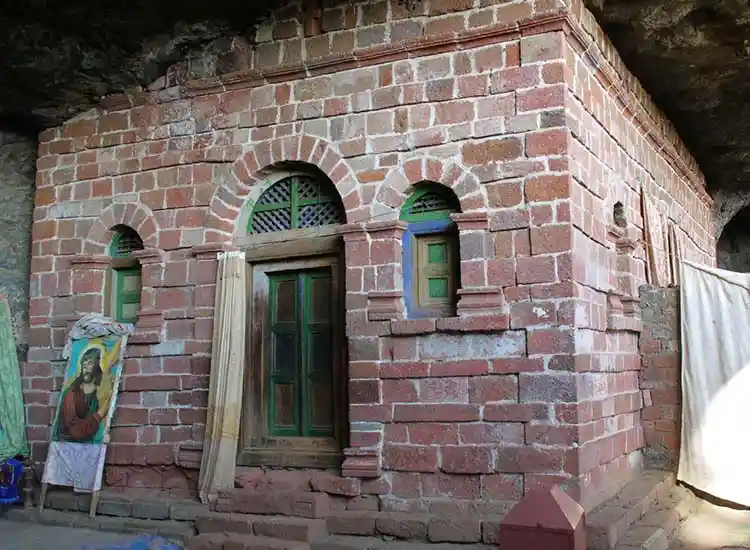
King Nakuto Le’ab, the nephew and successor of King Lalibela, abdicated his throne in 1270 AD and chose to live a hermit’s life in a cave. Over time, this cave became a monastery.
Located about 7 km from Lalibela, this cave church is simple but attractive and built on the site of an even older shrine. The monastery houses a remarkable collection of ancient crosses, illuminated manuscripts, and religious icons, some of which are believed to date back to the time of its founder.
The Zagwe kings ruled Ethiopia until the 13th century, when the famous priest Tekle Haymanot persuaded them to relinquish the throne to a descendant of the old Aksumite Solomonic dynasty.
Asheton Maryam
The rock-hewn church of Asheton Maryam was originally begun by King Lalibela but left unfinished. It was later completed during the reign of King Ne’akuto Le’ab (1215–1255).
Although the church itself is relatively simple compared to the famous churches of Lalibela, the monastery’s true beauty lies in its spectacular mountain setting.
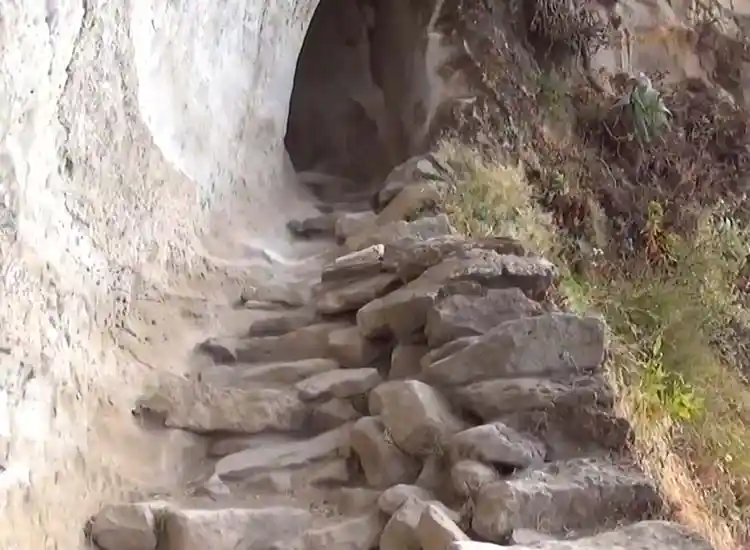
The climb to Asheton Maryam offers breathtaking views of Lalibela and the surrounding highlands. The trail passes through small rural villages and winds steadily upward until reaching the monastery.
The monastery remains active today, with a priest residing there to welcome visitors and worshippers. Sacred objects such as crosses and a beautifully illustrated Bible are preserved at the site.
Visitors can reach Asheton Maryam by a five-hour hike from Lalibela, by mule, or by driving partway and completing the final 30-minute climb on foot.